Reading
95 stories on memory, aging and mental health. Each story opens on the site that published it.

College students who spend more time in intense physical activity report slightly fewer depressive symptoms
A survey of more than 2,600 students at the University of Milan in Italy found that those who reported spending more of their waking time in moderate-to-vigorous physical activity tended to report slightly fewer depressive symptoms and slightly better health. Those who reported spending more time sitting tended to report slightly more depressive symptoms and slightly worse health. The paper was published in Depression and Anxiety . University students often experience substantial psychological distress.
Read at PsyPost ↗
Psychiatrists reveal unusual case in which 71-year-old farmer asked to be tied with ropes to calm his severe anxiety
A recent medical case report describes an unusual behavior in an older man who repeatedly asked his relatives to tie him to his bed with ropes during episodes of overwhelming inner restlessness. Published in The Primary Care Companion for CNS Disorders , the report suggests that severe anxiety in late life can sometimes manifest through unexpected physical actions rather than classic emotional complaints. Recognizing these atypical signs may help doctors start appropriate treatment and avoid mistaking treatable anxiety for psychotic or neurological illnesses.
Read at PsyPost ↗
This simple habit is linked to a 33% lower risk of Alzheimer's
Reading for enjoyment may offer far more than entertainment. Whether someone prefers a classic Jane Austen novel or a Heartstopper graphic novel, research suggests that reading for pleasure is associated with better mental health, stronger empathy, and a lower risk of dementia. Researchers at the University of Cambridge are working with The Queen's Reading Room, a charity established by Her Majesty The Queen, to raise awareness of these benefits across all age groups.
Read at ScienceDaily ↗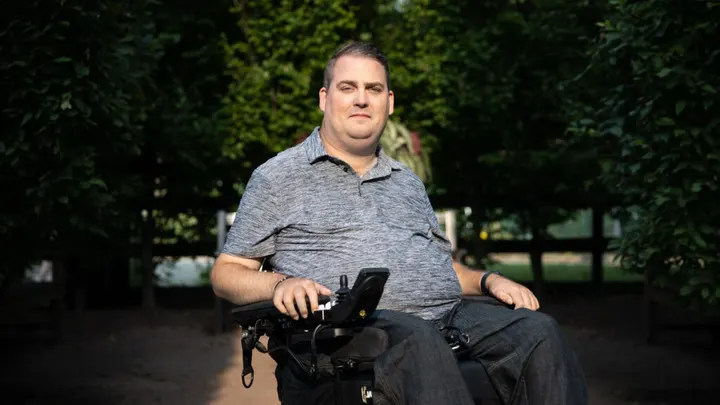
Patients have little say in how brain implant trials are done. Ian Burkhart wants to change that
So you’ve been diagnosed with ALS — what now? Maybe you join a clinical trial for a brain implant that could help you do things like move your hand or talk to your loved ones. But can you influence the research as a participant? And what happens to the data collected from your brain when the study ends? A new report addresses these and other questions, exploring how trials of implanted brain-computer interfaces can better address the interests and concerns of participants, who often join in a last-ditch attempt to improve their communication, mobility, or autonomy.
Read at STAT ↗
Mild sleep loss can dull how much people enjoy art and perceive beauty
Getting a couple of hours less sleep than usual for just two nights may subtly dull how much people enjoy artwork and perceive its beauty, according to new experimental research published in Journal of Sleep Research . In a controlled sleep-laboratory study of young adults, mild sleep restriction dampened morning alertness and positive mood while lowering ratings of abstract paintings, though it did not alter judgments based on the perceived race or gender of the artist.
Read at PsyPost ↗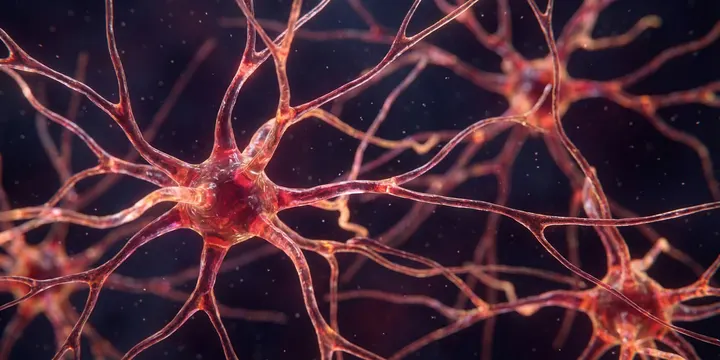
Scientists uncover how early life stress rewires the brain
Early life stress can alter how DNA is packaged in the brain, making individuals more vulnerable to adversity later in life. By mimicking these molecular changes in young mice, researchers were able to artificially program a lifelong sensitivity to stressful events. The findings were published in * The Journal of Neuroscience *. Early life experiences shape the developing brain through a process known as epigenetics. Epigenetic mechanisms involve chemical tags that attach to DNA or its packaging proteins, called histones. These tags do not change the underlying genetic code.
Read at PsyPost ↗Alzheimer’s Drug Pipeline: What I Learned at This Year’s CTAD Conference
Deborah Kan is the founder and CEO of Being Patient, a journalism-driven news platform on Alzheimer’s, dementia, and brain health that she launched after her mother’s Alzheimer’s diagnosis and years as a journalist for the Wall Street Journal. She built Being Patient to translate complex dementia research into clear, unbiased reporting for patients and caregivers navigating the same uncertainty she once faced. Connect with her at [email protected] . I am flying back from Boston right now, after attending the Clinical Trials on Alzheimer’s Disease (CTAD) conference.
Read at Being Patient ↗Can depression really become dazzling dance? The biggest ever BalletBoyz show is a huge feat
Sadler’s Wells, London In Six Lethargies, Iván Pérez and Seirian Griffiths have devised a mammoth production of aching, ethereal sadness ‘If I write what I feel, will you feel it, too?” That was the question behind singer-songwriter turned composer Keaton Henson’s Six Lethargies. Perhaps that is every artist’s mission, but for Henson it was specifically his experiences with anxiety and depression that he wanted to translate into music. Now it has been turned into dance by the BalletBoyz. If they dance it, will we feel it?
Read at The Guardian ↗Patient ‘horrified’ to find her sensitive discussions were shared on system used by more than 100,000 NHS staff
Exclusive: Investigation launched after details of grief and trauma uploaded, raising questions over extent of issue The Information Commissioner’s Office (ICO) has launched an investigation after a patient was “horrified” to discover that notes of sensitive discussions with her psychotherapist had been shared through a system used by more than 100,000 NHS workers. Rosanna (not her real name) found out that her detailed therapist’s notes, including about her grief and trauma, had been uploaded to her patient records when she saw them on a computer screen during a visit to her GP.
Read at The Guardian ↗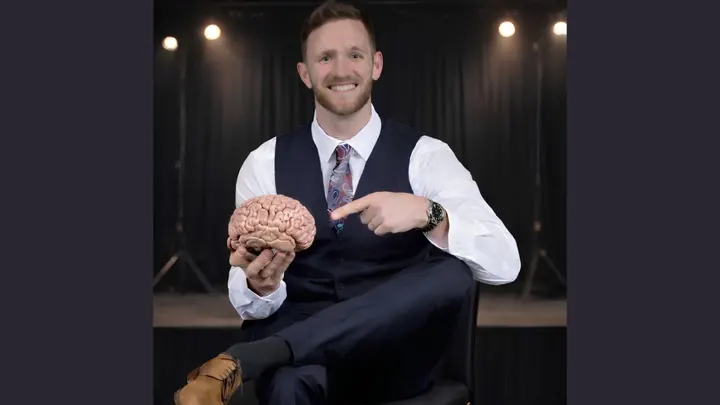
Surviving a Traumatic Brain Injury: Luke Bohnenberger on Rage, Grief, and Recovery
Luke Bohnenberger nearly died at age 18 in a car accident that left him with a severe traumatic brain injury. After two weeks in a coma and emergency brain surgery, he had to relearn how to walk and talk. But while his physical recovery progressed quickly, the emotional and psychological effects of his injury proved far more difficult to navigate. Bohnenberger struggled with aggression, personality changes, and grief over the person he had been before the accident.
Read at Being Patient ↗
The 'Magic Six': How to strengthen your marriage in midlife
She and her husband, David Reines, have been married for 26 years, and it's on the road where they're most likely to have a spat. "The car is awful," Totenberg told me, laughing. It comes down partly to the brakes. She taps them "way before" Reines does. And when another driver cuts him off, he sometimes wants to return the favor. Totenberg's advice from the passenger seat: "Don't take the bait." It's so relatable. And as Reines put it, "You can't not have some conflict after 26 years. I think the secret is how you deal with it."
Read at NPR ↗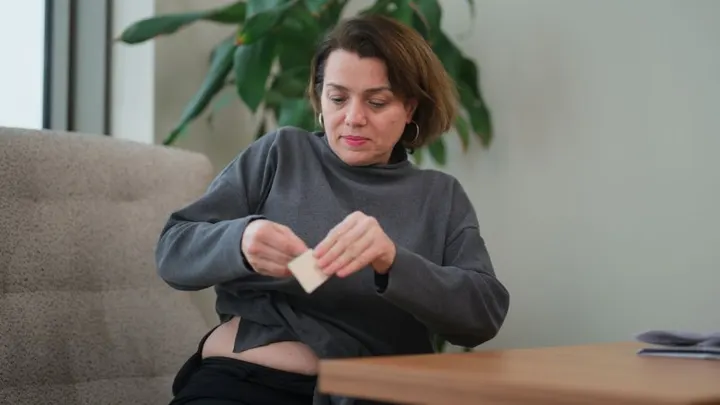
U.S. demand for menopause hormone therapy has more than doubled recently
A woman applies an estrogen patch, one formulation of menopause hormone therapy. A study that finds a large, recent increase in hormone therapy pharmacy dispensing suggests more women are turning to the medication. Monthly dispensing of hormone therapy for women aged 40 to 74 more than doubled since 2023, growing from 2 million to 4.9 million , researchers report November 19 in JAMA . The analysis of U.S. pharmacy dispensing data revealed that this increase began in 2024.
Read at Science News ↗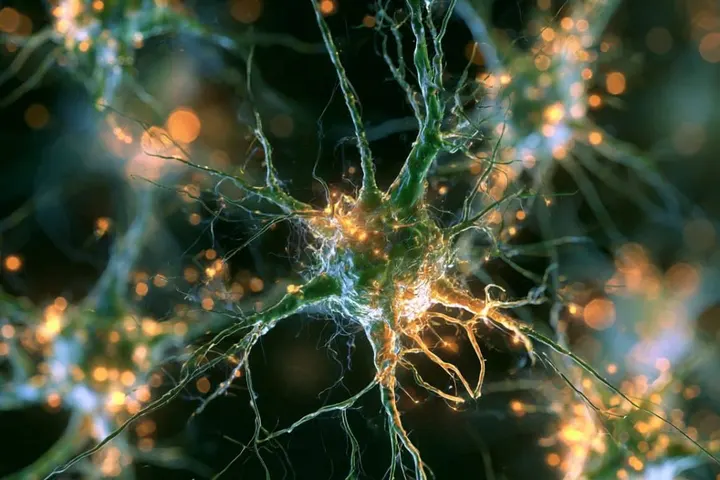
Blocking Gut Cannabinoid Receptors Restores Memory in Fragile X
Researchers demonstrated that selectively blocking peripheral cannabinoid receptors outside the brain improves memory, synaptic plasticity, and gut barrier integrity in fragile X syndrome mouse models. Tthe study shows that a one-week treatment restores beneficial gut bacteria and reverses hippocampal cognitive deficits without triggering central nervous system side effects. Fragile X syndrome is the most common single-gene cause of inherited intellectual disability and autism spectrum disorder.
Read at Neuroscience News ↗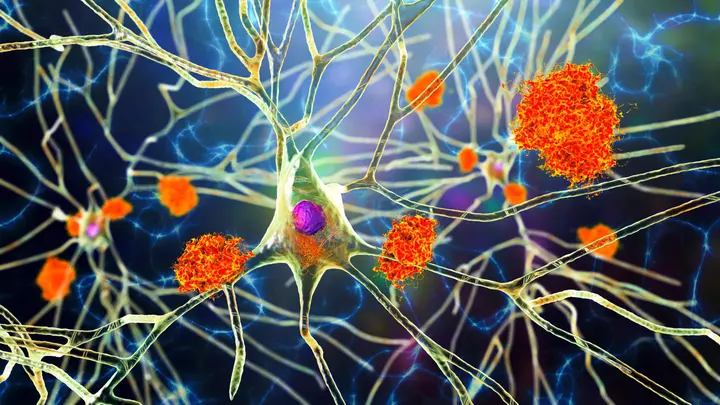
A little-known protein could be a powerful weapon against Alzheimer’s
A protein that helps protect the brain may offer scientists a promising new way to fight Alzheimer's disease and other forms of dementia. Researchers have discovered that increasing levels of this protein can reduce the buildup of toxic tangles associated with brain damage, while also helping preserve the connections that allow nerve cells to communicate. The findings, published in Science Advances by scientists at Sanford Burnham Prebys, suggest that strengthening the brain's own protective mechanisms could eventually lead to new treatments for neurodegenerative diseases.
Read at ScienceDaily ↗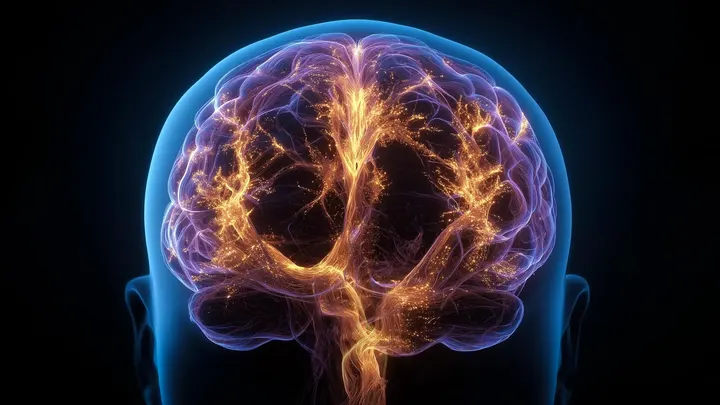
MIT discovers that aging weakens the brain’s nighttime cleaning system
While we sleep, the brain carries out an essential maintenance process that helps wash away accumulated waste. But new research from MIT suggests that this natural cleaning system becomes less effective as we grow older, revealing another way aging can change the brain beyond simply disrupting sleep. Researchers discovered that waves of cerebrospinal fluid (CSF), which help carry waste out of the brain, are significantly weaker in older adults.
Read at ScienceDaily ↗
How AI Is Helping Dementia Researchers and Trials
In a video this month , Anthropic CEO Dario Amodei proclaimed artificial intelligence (AI) will make Alzheimer’s and a handful of other diseases “relics of the past” within a decade. While some researchers rebuked these claims as unrealistic, AI algorithms are increasingly making their way into dementia research and care.
Read at Being Patient ↗
Greenery Around Your Home May Lower Your Dementia Risk
If you’re looking to settle into a new home or apartment, choose one with trees outside. A new study from Sweden found that immediate access to natural greenery may be good for your long-term brain health. For the study, researchers reviewed health data from 2,993 men and women who were part of the Swedish National study on Aging and Care, a long-running study of health and aging among residents of the Kungsholmen neighborhood in Stockholm. Participants were 60 or older and free of Alzheimer’s disease or other forms of dementia at the study’s start.
Read at Fisher Center for Alzheimer’s Research ↗
Sound Sleep May Counter the Brain Risks of Heart Disease and Diabetes
Heart disease, stroke and diabetes are well known risk factors for Alzheimer’s disease and other forms of dementia. A new study found that good sleep may help mitigate the detrimental effects of these cardiovascular and metabolic disorders on brain health. The study, from researchers at the Karolinska Institute in Sweden, found that men and women with type 2 diabetes, heart disease or a history of stroke who slept well had better thinking and memory skills than their peers with any of these disorders who slept poorly. Those who slept soundly also had greater brain volumes.
Read at Fisher Center for Alzheimer’s Research ↗
Mayo Clinic research offers new way to understand memory and neurodegenerative disease
ROCHESTER, Minn. — A new framework, published in Brain, could reshape researchers' understanding of how the brain creates memories and experiences, and how disruptions in this process may indicate Alzheimer’s disease and other forms of dementia. David T. Jones, M.D. , a Mayo Clinic neurologist and director of the Mayo Clinic Biological Intelligence Lab, and his collaborator, Michael Breakspear, M.B.B.S., Ph.D., of the University of Newcastle in Australia, have mapped out how the brain's limbic system processes and organizes information using a concept from generative artificial intelligence…
Read at Mayo Clinic ↗Pill that mimics Viagra can slow Alzheimer’s progression, study suggests
View image in fullscreen Medical research Pill that mimics Viagra can slow Alzheimer’s progression, study suggests Experts call trial results of medication that slowed cognitive decline by almost a third ‘very promising’ Prefer the Guardian on Google A pill that mimics Viagra by relaxing blood vessels and increasing blood flow to the brain can slow cognitive decline in people with Alzheimer’s disease by almost a third, a global study suggests. Alzheimer’s is the most common form of dementia, a condition that is forecast to affect 153 million people worldwide by 2050.
Read at The Guardian ↗£10m ‘once-in-a-generation’ study to explore effects of children’s social media ban
Research to look at whether ban can make meaningful change in mental health and wellbeing for under-16s Countries around the world are considering social media bans for children, but whether this would work in practice has been hotly debated. Now researchers are seeking answers through a major scientific study led by Wellcome, which will be the first of its kind.
Read at The Guardian ↗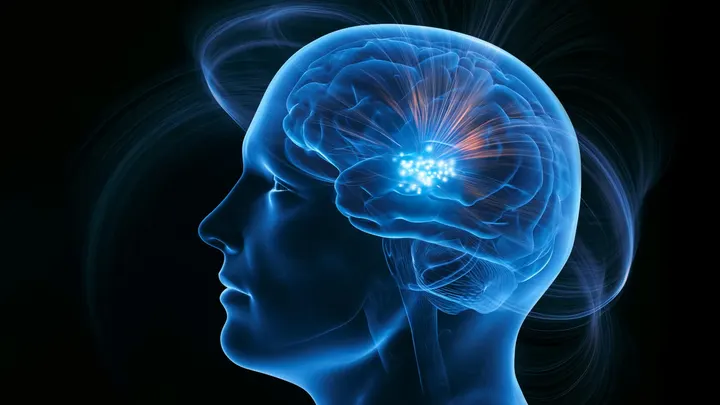
Tiny magnets deep inside the brain could transform Parkinson’s treatment
An international research team has developed a new technique that uses magnetic fields and tiny particles to stimulate regions deep inside the brain, potentially opening the door to a less invasive treatment for Parkinson's disease. In experiments involving mice with Parkinson's-like symptoms, the approach significantly improved movement problems without requiring permanently implanted electrodes. The technique involves injecting specially designed magnetic nanoplatelets into a targeted area of the brain.
Read at ScienceDaily ↗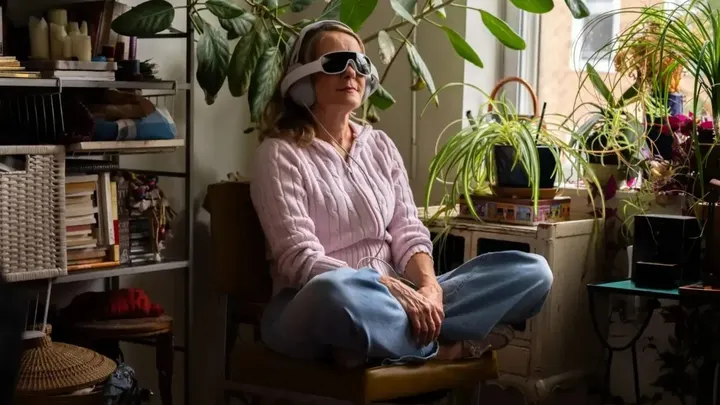
CTAD: Audiovisual Stimulation Headset for Alzheimer’s Misses Mark in Phase 3 Trial
Abnormal electrical activity in the brain has long been linked to neurological and neurodegenerative diseases. In Alzheimer’s, emerging research suggests that the brain struggles to generate fast, rhythmic electrical activity called gamma waves, which are linked with memory and attention. Could restoring these rhythms treat the disease? Cognito Therapeutics’ Spectris at-home headset uses flickering lights and sounds at a 40 Hz frequency to restore these gamma rhythms. In a Phase 2 trial, the device did not demonstrate any significant impact on a composite of cognition and functional measures.
Read at Being Patient ↗
Why Sex Matters for Alzheimer’s Biomarkers and Trials
Women are twice as likely as men to develop Alzheimer’s. While men are more likely to die of other diseases at a younger age before developing the disease, it doesn’t fully explain the gap in prevalence. While there’s ongoing research to understand how sex may make women more vulnerable, scientists so far have uncovered differences in Alzheimer’s biology, biomarkers and cognitive performance. However, clinical trials targeting the disease seldom look at sex differences in efficacy and safety of experimental therapeutics.
Read at Being Patient ↗
CTAD: Alzheimer’s Pill AR1001 Misses Overall Mark in Phase 3, Slows Decline Only in One Subgroup
Viagra was originally developed in the late 1980s and 1990s as a heart medication for angina and blood pressure. Scientists discovered an unexpected benefit : It treated erectile dysfunction. Since then, researchers conducting observational studies linked Viagra and similar drugs to a lower risk of developing Alzheimer’s. AriBio is putting the idea to the test with its once-daily pill AR1001, also called mirodenafil, which is already approved in South Korea for treating erectile dysfunction. In cells and animal models, AR1001 demonstrated an impressive array of neuroprotective abilities.
Read at Being Patient ↗Sleep paralysis: when you’re awake, but can’t move – or even breathe | Letters
Readers recount their terrifying experiences of sleep paralysis in response to an article by Amy Fleming I experienced sleep paralysis and hypnagogic hallucinations from childhood and into adulthood, with the episodes only waning in my 30s ( Touch of evil: the terrifying truth about sleep paralysis, 11 November ). I never spoke about them to anyone. I experienced hallucinations in the form of severe perspective distortion (oversized bed and rooms) and full hallucinations/dream states, auditory hallucinations (screaming and loud thumping) and, of course, paralysis.
Read at The Guardian ↗
Celebrating Holidays When a Loved One Has Dementia
Holidays and special occasions can trigger anxiety rather than joy for caregivers of people with dementia. Traditions, travel and social expectations can collide with the practical challenges of the disease. Dementia experts recommend several ways families can make celebrations more manageable and inclusive, from adapting traditions to reducing overstimulation and creating opportunities for meaningful interactions.
Read at Being Patient ↗
Scent and Memory: Why Novelty Boosts Recall in Older Adults
A memory and olfaction study reveals that diffused lavender scent alone does not automatically boost memory performance in young or older adults. unless it is experienced as a novel cue at the very start of learning. The findings show that older adults who encountered the scent during the initial learning block recalled objects significantly better, highlighting how sensory novelty and intact smell function support cognitive aging.
Read at Neuroscience News ↗
How Lead Exposure Erodes Long-Term Memory
Researchers uncovered the cellular mechanism by which environmental lead exposure impairs long-term memory formation. The study reveals that lead disrupts oxidation-reduction balance inside neuronal mitochondria, shutting down the de novo protein synthesis needed to consolidate lasting memories, while showing that targeted antioxidants can restore memory function in fruit fly models.
Read at Neuroscience News ↗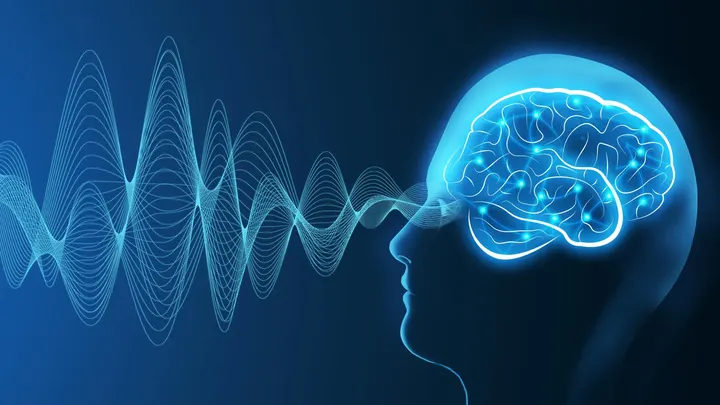
MIT scientists discover a surprising way to boost the brain’s nighttime cleaning system
While we go about our daily activities, the brain gradually accumulates waste, including lactic acid and proteins that are no longer useful. Sleep provides an important opportunity to clear away these substances. As we rest, waves of cerebrospinal fluid (CSF) move through the brain, helping remove waste and maintain healthy brain function. Researchers at MIT have now discovered a way to make these fluid waves stronger using brief pulses of a gentle sound called "pink noise." When delivered at carefully chosen moments during sleep, the sounds amplify slow electrical waves in the brain.
Read at ScienceDaily ↗
Stanford scientists discover hidden brain signals that predict Alzheimer’s years before symptoms
Subtle patterns of brain activity may reveal the risk of Alzheimer's disease years before memory problems develop or harmful proteins begin accumulating in the brain, according to new research led by Stanford Medicine. The same approach can also identify people whose brains show exceptional resistance to cognitive decline, suggesting they may eventually become "super agers." The study, published November 4 in Science Advances , points to a potentially powerful new way to detect early warning signs of cognitive decline.
Read at ScienceDaily ↗
Scientists find a simple daily routine linked to less pain and depression
A simple change to your daily routine could make a surprising difference in how you feel, both physically and mentally. University of Missouri researchers found that older adults who followed consistent daily schedules reported less physical pain and fewer symptoms of depression, even when they struggled with insomnia. Keeping regular times for sleeping, eating, and other activities may help regulate the body's internal clock, which influences mood, sleep, and overall health.
Read at ScienceDaily ↗Alzheimer’s may start shrinking two brain regions years before memory loss
Alzheimer's disease may begin leaving detectable clues in the brain as much as a decade before memory problems appear. Researchers at Johns Hopkins University have identified two brain regions that show signs of deterioration earlier than the hippocampus, the area commonly examined for evidence of the disease. The discovery could eventually help doctors recognize Alzheimer's years before symptoms develop, potentially allowing treatment to begin when it has the greatest chance of protecting the brain.
Read at ScienceDaily ↗‘You have to cope’: why don’t we hear of the ‘epidemic’ of women’s loneliness?
The world has become accustomed to concerns about the male loneliness epidemic. But research suggests women are just as lonely Sign up for a weekly email featuring our best reads No one would think of Sasha* as lonely, least of all Sasha herself. The 38-year-old from Sydney has close and longstanding friendships, proactively keeps in touch and makes plans, and is engaged with her local community.
Read at The Guardian ↗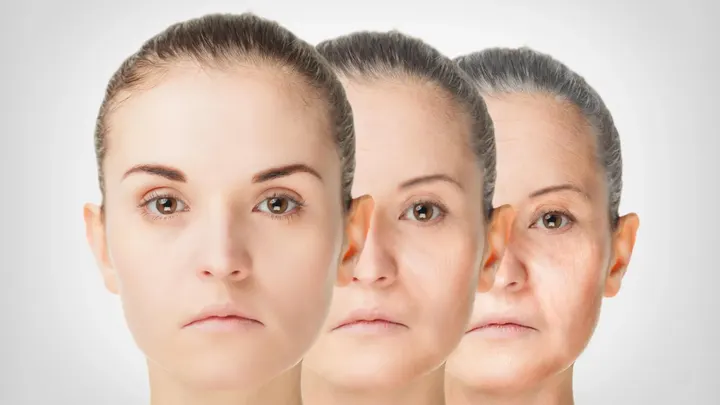
Yale scientists reveal what really slows aging and what doesn't
Their findings suggest that certain prescription medications and lifestyle changes can reduce biological age as measured by DNA-based blood tests. Popular over-the-counter supplements examined in the research, however, showed little evidence of producing the same effects. The findings, published in Nature Medicine , could help scientists evaluate anti-aging treatments more effectively, although researchers emphasize that changes in biological age markers do not necessarily mean people will live longer or avoid age-related diseases.
Read at ScienceDaily ↗
Molecular Shuttles Help Dementia Drugs Sneak Into the Brain
The brain is one of medicine’s last frontiers. The organ is surrounded by 400 miles of blood vessels. But rather than allowing anything in the blood to get into the brain, these vessels are gated by a structure called the blood-brain barrier, which stops harmful molecules and proteins from passing through. Its protective capabilities stand in the way of new experimental medicines, as it prevents drugs from easily reaching the brain. In the late 1970s, UCLA endocrinologist William M. Pardridge began studying how certain molecules gain entry past the blood-brain barrier.
Read at Being Patient ↗Dementia and Financial Scams: The Warning Signs Families Should Know
Deborah Kan is the founder and CEO of Being Patient, a journalism-driven news platform on Alzheimer’s, dementia, and brain health that she launched after her mother’s Alzheimer’s diagnosis and years as a journalist for the Wall Street Journal. She built Being Patient to translate complex dementia research into clear, unbiased reporting for patients and caregivers navigating the same uncertainty she once faced. Connect with her at [email protected] .
Read at Being Patient ↗
When Dementia Biomarkers Point to the Wrong Diagnosis
When Wendy Cogan first noticed changes in her husband Jeff’s behavior in 2016, she struggled to convince doctors that something was wrong. Once a successful healthcare executive, Jeff had begun making impulsive financial decisions, buying and selling houses and cars, and exhibiting behavior that was increasingly out of character. He was initially diagnosed with bipolar disorder, but as his symptoms progressed, Wendy began to suspect an underlying neurological condition.
Read at Being Patient ↗Participating in art and culture has measurable benefits on our wellbeing | Letter
William Rees says Ealing council’s workshops have shown that even an hour spent on a creative pursuit can change someone’s day Reading Emma Brockes’ response to a recent Art Fund study, I felt the significance of the research may have been lost in its packaging ( Art is good for your health? Allow me a quick eyeroll, 5 November ). The language of “prescribing” art has its roots in social prescribing. I understand why this might make people uncomfortable, particularly if it suggests that culture is being instrumentalised rather than enjoyed for its own sake.
Read at The Guardian ↗
Obesity linked to up to 27% lower risk of death in dementia
A surprising new study has found that people who are overweight or obese when diagnosed with dementia tend to live longer than those who have a normal body weight. The findings challenge expectations about the relationship between weight and health, suggesting that carrying extra weight may be associated with an unexpected survival advantage after dementia develops.
Read at ScienceDaily ↗
Even occasional marijuana use linked to 40% higher odds of stroke
New preliminary research involving more than 440,000 American adults has uncovered a concerning association between cannabis use and cardiovascular disease, particularly stroke. The findings suggest that even occasional marijuana use may be linked to higher odds of cardiovascular problems, raising new questions about the health effects of a substance that is becoming increasingly common across the United States. The research, presented at the American Heart Association's Scientific Sessions 2026, found that the association was not limited to people who frequently used cannabis.
Read at ScienceDaily ↗
Eating less protein could slow aging, review of 350 studies finds
Protein is everywhere these days. From breakfast cereals and coffee to bottled water, manufacturers are adding extra protein to an expanding range of everyday products. But while consumers are being encouraged to eat more of it, a major scientific review suggests that cutting back on protein could offer surprising benefits for health and longevity. After examining more than 350 scientific papers, researchers found evidence that reducing protein intake may help slow biological aging, improve metabolism, and, under certain conditions, extend lifespan.
Read at ScienceDaily ↗
Why heart attacks can still happen even when bad cholesterol is low
Researchers at Chalmers University of Technology in Sweden have uncovered new clues about why some people develop heart disease even after lowering their bad cholesterol to recommended levels. Their findings point to biological processes involving other fat-carrying particles in the blood that may contribute to cardiovascular damage in ways that go beyond cholesterol buildup. By identifying these previously poorly understood mechanisms, the research could help pave the way for more targeted strategies to prevent heart disease and potentially save lives.
Read at ScienceDaily ↗
Common osteoporosis drugs linked to 24% lower dementia risk in major study
A common class of drugs used to treat osteoporosis may have an unexpected benefit: lowering the risk of Alzheimer's disease and other forms of dementia. In a study involving more than 120,000 older adults, researchers at the University of Hong Kong (HKUMed) found that patients taking certain medications to strengthen their bones were significantly less likely to develop dementia. The medications, known as nitrogen-containing bisphosphonates (NBPs), are widely prescribed to prevent bone loss and fractures.
Read at ScienceDaily ↗
Alzheimer’s may have early warning signs outside the brain
Alzheimer's disease is best known for its effects on memory and thinking, but new research suggests that some symptoms may develop in a surprising place: outside the brain. Scientists at the University of Central Florida (UCF) have discovered that genetic mutations associated with Alzheimer's can interfere with the nerves that control muscle movement, even without involvement from the brain or spinal cord. The findings could help explain why some people with Alzheimer's experience changes in walking, balance, or coordination long before noticeable memory problems emerge.
Read at ScienceDaily ↗
A simple supplement may help clear brain fog after cancer
For some breast cancer survivors, the effects of treatment can linger long after their cancer care ends. Memory lapses, difficulty concentrating, and persistent exhaustion can interfere with everyday life, sometimes for years. Now, researchers at the UCLA Health Jonsson Comprehensive Cancer Center have found promising early evidence that a supplement containing a naturally occurring molecule could help relieve these symptoms. The molecule, called oxaloacetate, is already present in the human body and plays an important role in how cells generate energy.
Read at ScienceDaily ↗Tell us: did you move to the countryside for retirement and come to regret it?
As England’s chief medical officer warns of the challenges of growing older in rural areas, we’d like to hear from people who have struggled with isolation or accessing services and support England’s chief medical officer Chris Whitty has warned of the potential downsides of choosing to spend the later part of your life in a rural area. He urged people to think carefully about the challenges of rural life as they get older, including poor access to healthcare, limited public transport and the risk of becoming isolated or dependent on others.
Read at The Guardian ↗Older women are as varied and individual as we have ever been | Letters
Thank you, Jo Brand, for not offering us a formula for growing older, writes Dr Denise Taylor . Plus a letter from Louise Mothersole I found Jo Brand’s reflections on approaching 70 wonderfully refreshing ( ‘It’s far too late for me to go to the gym every 10 minutes’: Jo Brand on ageing, raging, fitness and grief, 2 November ). Here is a woman who doesn’t feel obliged to turn ageing into another self-improvement project. She can be angry, grumpy, less adventurous than she once was, and still enjoy her life. We hear so much about ageing well, ageing positively and ageing successfully.
Read at The Guardian ↗
Drinking 2–3 cups of coffee a day linked to dramatically lower dementia risk
Your daily cup of coffee may be doing more than helping you wake up in the morning. A long-running study of U.S. adults suggests that drinking caffeinated coffee regularly is associated with a substantially lower risk of dementia and better cognitive health as people age. Researchers found that adults who consumed higher amounts of caffeinated coffee developed dementia at considerably lower rates than those who rarely or never drank it.
Read at ScienceDaily ↗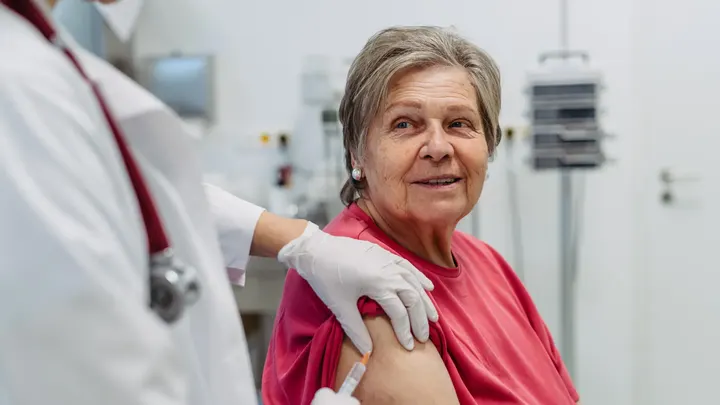
Stronger flu shot linked to nearly 55% lower Alzheimer's risk
In a large study led by researchers at UTHealth Houston, adults ages 65 and older who received a high-dose influenza vaccine were less likely to develop Alzheimer's than those given the standard-dose version. The findings, published in the medical journal Neurology , suggest that the strength of a flu vaccine could matter for more than just protection against influenza. The discovery grew out of an unexpected conversation between a UTHealth Houston physician and local public health officials.
Read at ScienceDaily ↗
Magic mushrooms rewire the brain in a way scientists didn't expect
A new study from the University of California, Santa Cruz, has revealed how psilocybin, the psychedelic substance found in "magic mushrooms," changes the brain by reorganizing connections between nerve cells. The findings could eventually help scientists develop treatments for mental health conditions that capture some of psilocybin's potential benefits without producing hallucinations. The research, published October 15 in Nature Neuroscience , found that psilocybin rapidly encourages brain cells to form new connections and helps those connections mature.
Read at ScienceDaily ↗
Scientists discover mysterious “lonely” brain waves linked to memory loss
You walk out of the grocery store, ready to head home and make dinner. But as you scan the crowded parking lot, a frustrating question comes to mind. Where did you leave your car? You try to picture the spot, but the memory refuses to surface. Remembering personal experiences like these depends on episodic memory, which allows us to recall events from our lives. These memories help form the foundation of long-term memory, whether they involve a childhood milestone, such as the first day of elementary school, or something that happened just minutes earlier, like parking your car.
Read at ScienceDaily ↗
An anti-aging drug may help protect the brain before Alzheimer's symptoms begin
A surprising new study suggests that an anti-aging drug could help protect people genetically predisposed to Alzheimer's disease. Researchers found that just four weeks of low-dose rapamycin improved brain blood flow in healthy middle-aged adults carrying the high-risk APOE4 gene variant, with women showing the strongest benefits. Because declining blood flow can occur years before Alzheimer's symptoms appear, the discovery raises hopes for preventing or delaying the disease before memory loss begins.
Read at ScienceDaily ↗How elderly ‘unsung heroes’ powered Lula’s historic fightback in Brazil
Older voters praised for helping tip balance in leftwing president’s favour against far-right Flávio Bolsonaro in runoff It had been nearly a decade since Celia de Oliveira Soares last voted, and months since the 101-year-old great-grandmother last left her home. But on 25 October, when Brazil held what many considered its most important presidential election in decades, relatives helped Soares into a wheelchair and drove her to a nearby school to make sure the far-right candidate, Flávio Bolsonaro, did not prevail.
Read at The Guardian ↗
Staying In School Lowers Your Alzheimer’s Risk
A new study underscores the importance of education in helping to protect against Alzheimer’s disease and other forms of dementia. The study, from researchers at the University of Southern California and other institutions, took advantage of a law enacted in Britain in 1972 that required young people to stay in school until age 16. Until that time, British teenagers could leave school at age 15. The law required that students in England, Scotland or Wales who were born on or after September 1, 1957, had to stay in school longer; those born just before the cutoff could still leave at age 15.
Read at Fisher Center for Alzheimer’s Research ↗
At Risk for Alzheimer’s? Volunteering May Be Good for Your Brain
Even modest amounts of time spent doing volunteer work or helping others outside the home may be good for the brain, according to a new report. Volunteer activities may be especially beneficial for those at increased genetic risk of Alzheimer’s disease. For the study, researchers analyzed health data from nearly 18,000 men and women who were part of the Health and Retirement Study, a large and long running study of the health of a nationally representative sample of older Americans. They ranged in age from 51 to 74. Those in the study underwent regular tests of thinking and memory skills.
Read at Fisher Center for Alzheimer’s Research ↗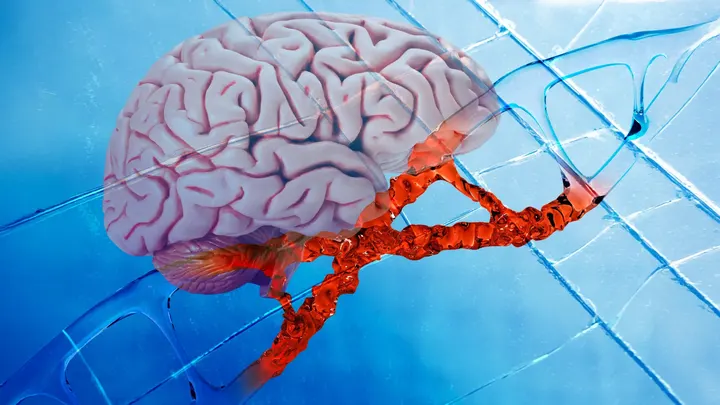
Scientists discover new Alzheimer’s drug that repairs DNA damage and reduces brain inflammation
Scientists at King's College London have identified a promising new strategy for fighting Alzheimer's disease that could address several of the condition's damaging effects at the same time. Their research suggests that an experimental drug originally developed for spinal cord injuries may help repair damaged DNA, reduce inflammation, and target biological changes associated with the disease. The drug, known as KCL-286, produced encouraging results in a mouse model of Alzheimer's disease.
Read at ScienceDaily ↗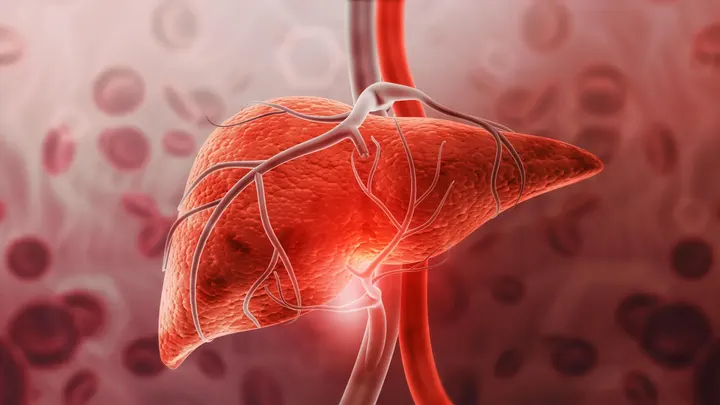
Scientists reverse liver cell aging and cut Alzheimer’s-linked protein in half
The liver may hold an unexpected key to fighting two of the most serious diseases associated with aging: Alzheimer's disease and heart disease. Scientists have discovered that restoring the function of aging liver cells can dramatically reduce harmful substances in the bloodstream, raising the possibility of treating diseases that affect organs far beyond the liver itself. In a new study involving older rats, researchers at the Keck School of Medicine of USC found that an experimental drug called cinaciguat reversed important signs of aging in specialized liver cells.
Read at ScienceDaily ↗Extra weight may be aging your brain faster than you think
Carrying excess weight may affect more than physical health. New research from the University of Georgia suggests that having a higher body mass index may also speed up cognitive decline, potentially causing memory and thinking abilities to deteriorate more quickly with age. Some cognitive changes are a natural part of getting older. Remembering information, thinking clearly, and processing new details can become more difficult over time. For healthy adults, however, these changes are usually relatively mild and develop gradually.
Read at ScienceDaily ↗‘It’s far too late for me to go to the gym every 10 minutes’: Jo Brand on ageing, raging, fitness and grief
The comedian turns 70 soon, and in her new book, she contemplates the years ahead. She explains why she loves a work in progress, the importance of anger in mourning, and how she gave up smoking – only to become a champion vaper Had Jo Brand, who turns 70 next year, been spending a long time thinking about getting older? Had it become the subject that consumed her, and the reason why, now, she felt impelled to write a book about the vagaries of ageing? No, she says, laughing. She was simply asked if she’d like to do it.
Read at The Guardian ↗My wife and I are in our late 70s and don’t have any children. Who can help us in our old age? | Ask Annalisa Barbieri
Getting older and losing your autonomy is even harder without family around. You need to consider both the practical and emotional issues involved My wife and I are in our late 70s, and have been married for more than 40 years. We didn’t have kids and were rather traumatised after failed IVF. My wife is Asian and has no UK-based family. I do , but they are not close geographically, nor are they people who would be able to give any support if needed. Friends are of a similar age and so have their own issues to deal with .
Read at The Guardian ↗Before I Forget review – actors shine in moving story of dementia, language and legacy
Fairfax Studio, Arts Centre Melbourne When the three leads share the stage, this poignant new work crackles with energy and wit. But it sags in the moments between Get our weekend culture and lifestyle email Some theatrical ideas come with poignancy and depth baked into their conceit, as if a playwright need only set the characters down in a situation for the work to write itself.
Read at The Guardian ↗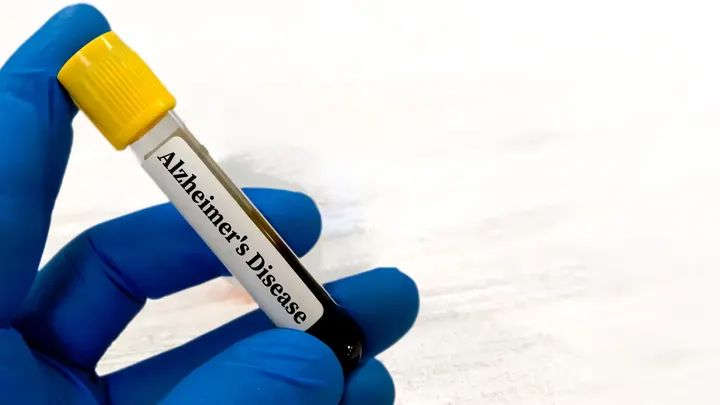
A simple blood test could reveal Alzheimer’s risk 10 years before symptoms
A simple blood test could help identify people at increased risk of Alzheimer's-related cognitive decline years before they experience any noticeable problems with memory or thinking. In a large international study, researchers found that older adults with very high levels of a particular blood biomarker faced a 38% chance of developing cognitive impairment within five years. Over 10 years, the estimated risk rose to 78%, although the longer-term findings were based on substantially less data.
Read at ScienceDaily ↗
Six popular sugar substitutes linked to faster brain aging
Sugar substitutes are often promoted as a healthier way to enjoy sweet foods and drinks without consuming as much sugar. However, new research suggests that some of these widely used sweeteners may have an unexpected downside for long-term brain health. A study published in Neurology , the medical journal of the American Academy of Neurology, found that people who consumed the most low- and no-calorie sweeteners experienced significantly faster declines in memory and thinking skills than those who consumed the least. The association was particularly pronounced among people with diabetes.
Read at ScienceDaily ↗
Less than 42 minutes of bright daylight linked to higher dementia risk
Could the amount of daylight you get each day offer clues about your risk of developing dementia? A large new study suggests that exposure to brighter daytime light is associated with a lower likelihood of developing the condition. The findings, published in General Psychiatry , point to daytime light exposure as a potentially overlooked factor in brain health. To investigate the connection, researchers analyzed data from 87,577 adults who wore wrist devices equipped with accelerometers. The devices allowed scientists to measure participants' exposure to light during both the day and night.
Read at ScienceDaily ↗Dementia cases in US projected to rise dramatically by 2050, study finds
Increase will add strain on healthcare system already struggling amid cuts by Trump administration, experts say The number of people with dementia in the United States is projected to increase dramatically over the next 25 years, which will place increasing strain on a healthcare system already struggling to help them amid cuts by the Trump administration, experts say. According to a new study in Jama Neurology , the annual incidence of new dementia cases globally will more than double, from 11.4m in 2023 to 24.7m in 2050.
Read at The Guardian ↗
Scientists discover a surprising clue to why some brains resist Alzheimer’s
Some people have the brain changes associated with Alzheimer's disease but never develop dementia. While others experience worsening memory and thinking problems, these individuals remain mentally sharp despite signs of the disease in their brains. Scientists have long struggled to explain why. Now, researchers at the Netherlands Institute for Neuroscience have uncovered a promising clue. Their findings suggest that a rare group of brain cells, known as immature neurons, may behave differently in people who resist Alzheimer's symptoms.
Read at ScienceDaily ↗Asthma deaths reach decade-high levels and number of Australians dying of dementia grows
Dementia, including Alzheimer’s disease, accounted for more than 10% of all deaths for the first time, new data reveals Get our breaking news email , free app or daily news podcast Dementia has accounted for more than 10% of all deaths for the first time, while the number of people dying from asthma is at decade-high levels, new data published by the Australian Bureau of Statistics (ABS) reveals. There were 188,421 deaths registered in 2025. Of these, 19,019 deaths were caused by dementia, including Alzheimer’s disease, the ABS deaths data released on Tuesday shows.
Read at The Guardian ↗
Mayo Clinic discovers new ways to fight the “zombie” cells that drive aging
Mayo Clinic scientists have uncovered surprising new insights into “zombie cells,” aging cells that linger in the body and contribute to inflammation and disease. Seven studies reveal why these cells are harmful and identify new strategies for targeting them, including a natural compound found in tomatoes. In aging mice, experimental treatments reduced inflammation and improved physical and brain health. The findings could open the door to therapies that combat some of the biological processes behind aging.
Read at ScienceDaily ↗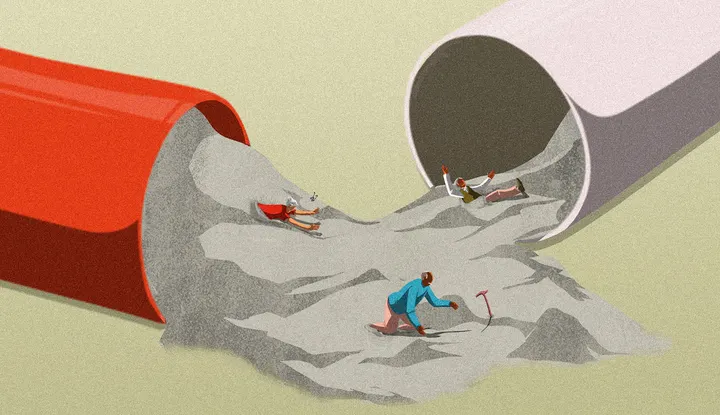
Meds are often the go-to for dementia patients. Is there a better way?
Almost all people with dementia will develop changes in mood, perception or behavior. In nursing homes, many are inappropriately treated with antipsychotic medications that bring serious health risks. Federal statistics show nursing homes still overuse medications to quell the behavioral problems that come with cognitive decline. Experts advocate for alternatives. After Bobby Tweed moved into a Tennessee nursing home, the spirited 78-year-old with dementia grew listless and withdrawn.
Read at Knowable Magazine ↗The pet I’ll never forget: Clement was hit by a car and left to die in a ditch – then found his beautiful purpose
Before being rescued, he had an extremely traumatic experience. You’d never know it though, from the joy his patience and sunny nature bring to those who most need him In December 2024, my kerry blue terrier, Magnus, died suddenly from a stroke at the age of nine. Devastated, I started looking at rescue dogs on Facebook and came across Clement, who was being looked after by a shelter in Romania. It wasn’t his appearance that caught my attention, but his heartbreaking story. An eight-year-old mixed-breed rescue, Clement had spent most of his life with a woman living with Alzheimer’s.
Read at The Guardian ↗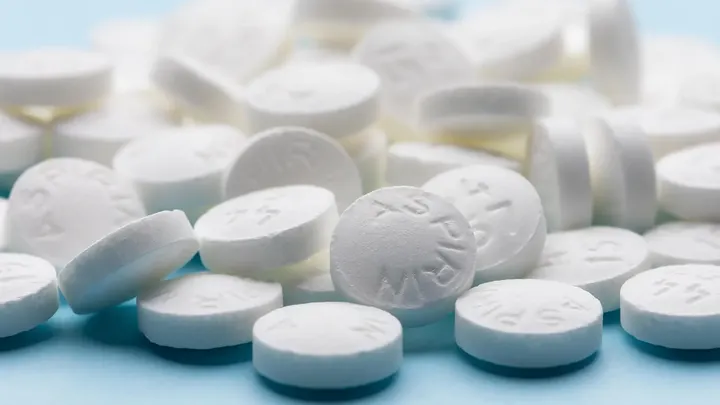
Low-dose aspirin linked to 70% lower dementia risk, but there's a catch
A new analysis from Monash University suggests that low-dose aspirin may be linked to a dramatically lower risk of dementia in older adults with certain genetic characteristics. Researchers found that people with a specific genetic profile who took aspirin had a 70 percent lower relative risk of developing dementia, raising the possibility that genetic testing could eventually help identify people who might benefit from preventive treatments.
Read at ScienceDaily ↗On dementia, we need to tell it how it is | Letter
David Lee responds to a letter questioning the use of language about people with dementia Sally Byers takes Polly Toynbee to task ( Letters, 19 October ) for using what she considers to be “deeply troubling language” about people with dementia, in particular the phrases “glazed stares or sleeping mouths agape” and “that terrible human vacancy” in Toynbee’s article ( In Liverpool I saw the tough choices Louise Casey faces on social care – starting with who will pay?, 13 October ).
Read at The Guardian ↗A women's commune sounds like a great retirement option. But I have my doubts | Polly Hudson
Think back to those terrible flatshares in your 20s. Cohabiting with friends can seem like a dream, but the reality is sometimes less Golden Girls – more Young Ones In most female friendships between women with male partners, the following occurs, sometimes regularly. It usually happens after one of them has delivered a passionate rant – or if not technically a rant, then certainly rant-adjacent.
Read at The Guardian ↗
Mediterranean diet may boost tiny proteins that protect the heart and brain
A new study suggests that the Mediterranean diet may protect the heart, brain, and aging cells through a surprising biological mechanism involving tiny proteins produced by mitochondria, the structures responsible for generating most of the energy our cells need. Researchers at the USC Leonard Davis School of Gerontology discovered that people who more closely followed the Mediterranean diet had higher levels of two mitochondrial microproteins called humanin and SHMOOSE.
Read at ScienceDaily ↗
Millions take fish oil for brain health. A two-year study found no benefit
Millions of Americans take fish oil supplements in hopes of protecting their memory and keeping their brains healthy as they age. These products have become a major business, with Americans spending more than $1 billion each year on supplements containing omega-3 fatty acids. These essential nutrients help build and maintain the connections between brain cells that support memory, learning, and other cognitive functions.
Read at ScienceDaily ↗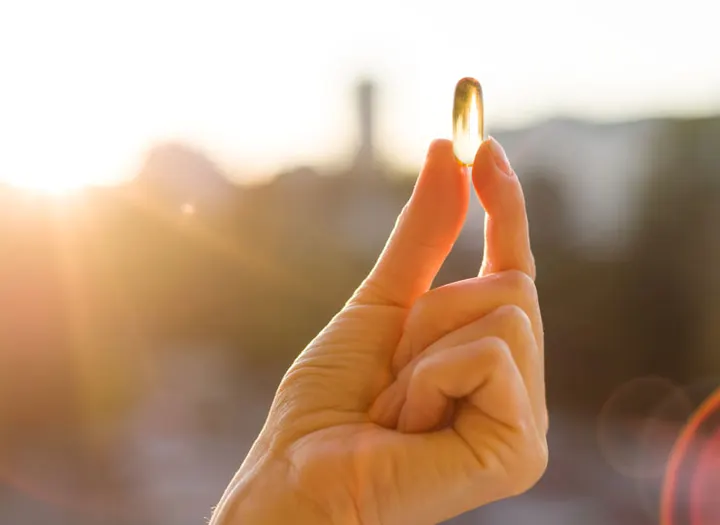
Vitamin D May Benefit People With Mild Cognitive Impairment
Older adults with mild cognitive impairment and sleep problems may benefit from supplements containing relatively high doses of vitamin D, a small study found. The findings add to growing evidence that maintaining adequate levels of vitamin D may be important for brain health. The study, from researchers at Emory University, looked at 54 men and women who had been diagnosed with mild cognitive impairment, a serious memory disorder that may progress to full-blown Alzheimer’s disease. Their mean age was 67.
Read at Fisher Center for Alzheimer’s Research ↗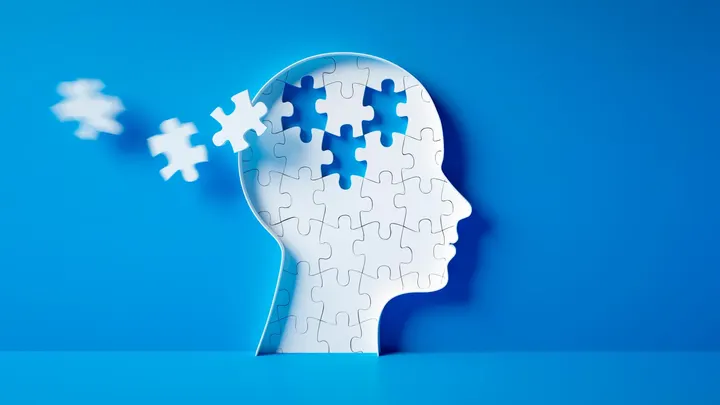
Your aging brain may be trading memory for something more valuable
Growing older is often associated with memory loss and declining mental abilities. However, scientists are questioning whether these changes tell the whole story. Rather than simply becoming less capable, the brain may be adapting to a new stage of life in which accumulated knowledge, wisdom, and understanding become more important than remembering every detail. Researchers at the University of Arizona have proposed a different way of understanding cognitive aging.
Read at ScienceDaily ↗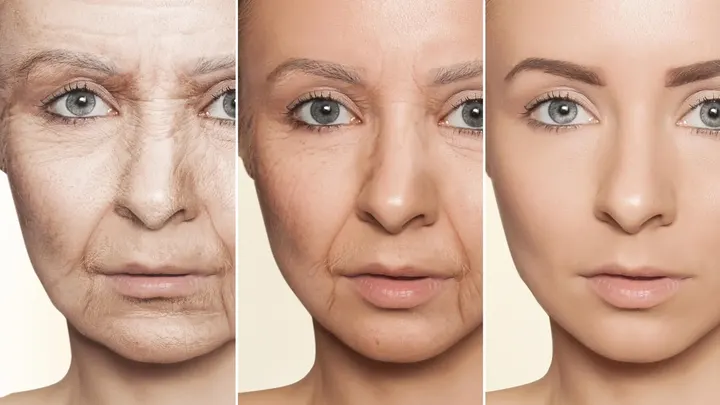
Scientists find 10 different diets linked to slower aging
A large study involving approximately 7,500 people suggests that eating a healthy diet may help slow biological aging, and there is no single eating plan that stands above all others. Scientists at the German Center for Neurodegenerative Diseases (DZNE) investigated 10 different dietary patterns, including the Mediterranean, Nordic, plant-based, and DASH diets. The DASH diet was specifically developed to help reduce blood pressure. Every dietary pattern examined was associated with slower biological aging, as measured by chemical changes in DNA that reflect the body's aging process.
Read at ScienceDaily ↗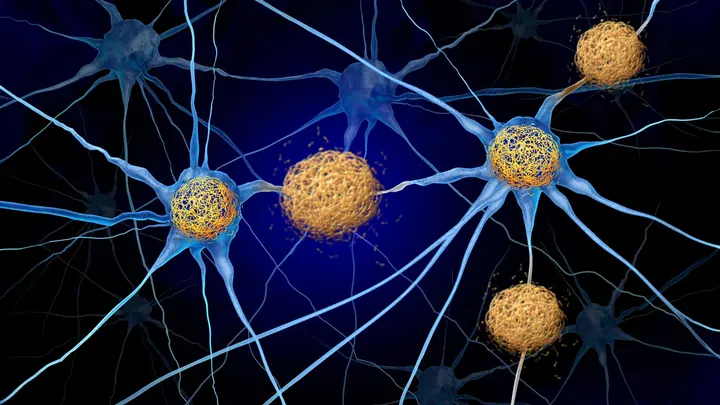
Scientists find a way to fight Alzheimer’s brain damage without removing toxic tau
Protecting brain cells from destruction remains one of the biggest challenges in treating Alzheimer's disease and related neurodegenerative conditions. These disorders, known as tauopathies, involve the buildup of abnormal tangles of a protein called tau inside the brain. As the tangles accumulate, nearby neurons begin to die. However, growing evidence suggests that tau itself may not be responsible for most of the damage. Instead, the immune system's reaction to the protein appears to play a major role in the loss of brain cells, memory, and independence.
Read at ScienceDaily ↗
Just 3,000 steps a day may help slow Alzheimer's, scientists find
A new study suggests that even low levels of physical activity could protect the brain from Alzheimer’s disease – but not in the way scientists expected. The researchers tracked almost 300 older adults with early brain signs of Alzheimer’s for nine to 11 years using pedometers. They found that physical activity didn’t reduce the toxic amyloid plaques that most Alzheimer’s treatments now target. Instead, in people who already had these plaques, physical activity reduced the accumulation of misfolded tau proteins in specific brain areas.
Read at ScienceDaily ↗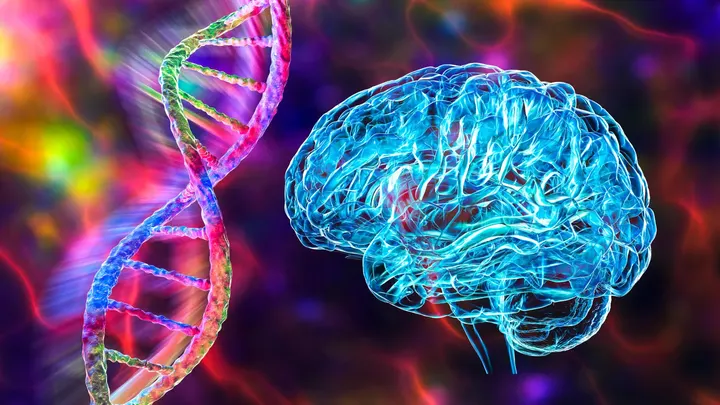
Why some people escape Alzheimer’s despite carrying a high-risk gene
Some people carry one of the strongest genetic risk factors for Alzheimer's disease yet never develop it, remaining mentally sharp well into their 80s. For years, scientists have wondered what protects these individuals despite their increased genetic vulnerability. Now, researchers at Columbia University have uncovered a biological mechanism that could help explain this remarkable resistance. Their findings point to a rare genetic mutation that protects the brain's blood vessels from damage, potentially opening a new path toward Alzheimer's treatments.
Read at ScienceDaily ↗Funding social care is a collective responsibility | Letters
Roger Steer says the solution is to adopt the NHS model, Janet Dubé suggests an audit, while Sally Byers says language that respects people living with dementia is crucial Polly Toynbee asks a seemingly difficult question and discusses a knotty issue ( In Liverpool I saw the tough choices Louise Casey faces on social care – starting with who will pay?, 13 October ). Her question is framed as an issue of individual choice inviting the response: “Not me if I can avoid it.” The responsible answer is, of course, all of us – collectively.
Read at The Guardian ↗Is sisterhood the secret to a long life? The Sardinian village that could hold key to women’s longevity
Meet some of the elderly residents of Bolotana, in line to be the world’s sixth ‘blue zone’ for its high number of female centenarians When Giovanna Marras opens the door to her home in Bolotana, a mountain village in central Sardinia, her eyes are bright with curiosity as she sizes up her visitors. Her sister, Mariangela, peeks out too, soon ushering her guests inside and handing out dishes of ice-cream. The sisters are full of life, talking animatedly. Giovanna is 101 and Mariangela is 99.
Read at The Guardian ↗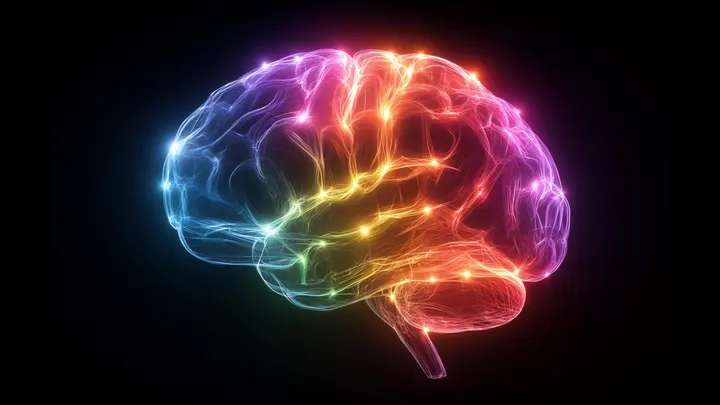
Yale scientists discover how stress changes the brain to make memories stronger
Stress does more than influence how we feel. It can also change what we remember, particularly when an experience is emotionally intense or personally meaningful. Scientists have long known that cortisol, a hormone released during stressful situations, can strengthen emotional memories. What has been less clear is exactly how this happens inside the brain. Researchers at Yale University have now uncovered important clues. Their study reveals that cortisol strengthens emotional memories by changing how brain networks involved in emotion and memory function and communicate with one another.
Read at ScienceDaily ↗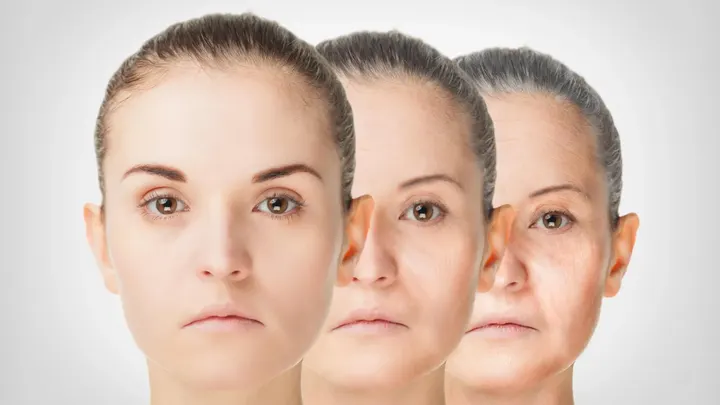
Scientists find hidden driver of aging and a simple amino acid that fights memory loss in mice
What if some of the changes we associate with aging begin with the loss of a single protein deep inside the brain? Scientists investigating that possibility found that restoring a protein called Menin in older mice improved memory, balance, bone mass, and skin thickness in just 30 days. Even more surprisingly, supplementing the animals with a naturally occurring amino acid improved their learning and memory in only three weeks. The findings, originally published in March 2023 in PLOS Biology , came from researchers led by Lige Leng of Xiamen University in China.
Read at ScienceDaily ↗‘I want to do everything I can to head off dementia’: why demand for the shingles vaccine is soaring
Could a drug intended to prevent painful rashes also protect our brains as we get older? The signs are promising – but not conclusive. Yet that’s enough to be driving a boom in shingles jabs When Jenny, a 50-year-old marketing and branding professional from Cambridge, went for her shingles vaccine last year, an entirely different disease was on her mind. Having witnessed three of her four grandparents succumb to dementia, with all the distress that brought, she wants to avoid the same fate. She hopes the shingles vaccine might help. Jenny is far from alone.
Read at The Guardian ↗
As my husband’s carer, I sometimes need a break – finding respite care in Australia shouldn’t be this difficult | Robyn Ayres
View image in fullscreen Opinion Aged care This article is more than 1 month old As my husband’s carer, I sometimes need a break – finding respite care in Australia shouldn’t be this difficult This article is more than 1 month old Robyn Ayres Arranging a short stay for my husband in an aged care facility shouldn’t take dozens of calls, emails and an interstate operation involving friends I am a carer. My husband has advanced Alzheimer’s disease and lives at home with me. I love him and am committed to caring for him as long as I can.
Read at The Guardian ↗
My mother’s phone calls became stranger, but I couldn’t visit. A rescue dog helped me reach her
Conversation was difficult. But Sally, a dear old German shepherd, gave me a glimpse of my mother’s emotional state My mother had been wanting a dog for years. She lived in Perth, on the other side of the country to her children and grandchildren who were all grown up. She had retired too early, had few interests, and didn’t get out much. She imagined a sleek little whippet curled up at her feet as she watched television. She imagined a pretty collar and a knitted coat. My stepfather was less keen. He stalled the dog issue for more than a year while he built a high fence around the property.
Read at The Guardian ↗
Children at risk for depression get “stuck” on sad faces
New research from Binghamton University, State University of New York, suggests that depression may influence how strongly children focus on emotional expressions such as happy or sad faces. The pattern appears to differ depending on whether a child has a family history of depression. Researchers at the Mood Disorders Institute at Binghamton University study how depression develops in children and adolescents, with particular attention to how family history and emotional experiences may influence vulnerability over time.
Read at ScienceDaily ↗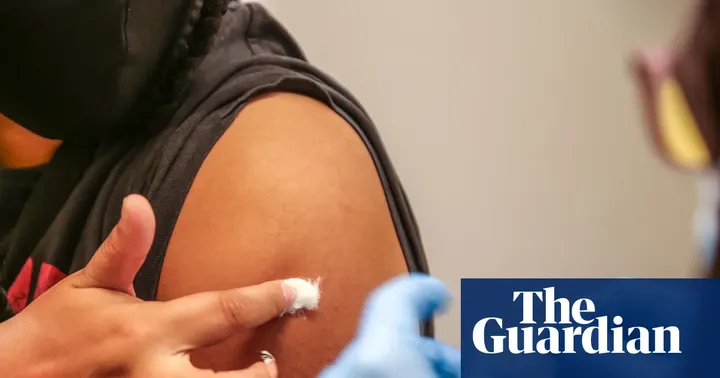
Tell us: have you had the shingles vaccine in the hope of reducing your dementia risk?
Have you had the shingles vaccine on the NHS or privately because you hoped it might lower your dementia risk? We’d like to hear from you Sales of shingles jabs have increased after studies have claimed that it could reduce the risk of dementia and we’d like to hear from people who have been influenced by the findings to get the vaccine. Have you had the shingles vaccine in the past two years, either on the NHS or privately, because you hoped it might lower your dementia risk?
Read at The Guardian ↗
A job that changed me: I cried nearly every day working in aged care, then realised I could bring joy instead
View image in fullscreen A job that changed me Life and style This article is more than 1 month old A job that changed me: I cried nearly every day working in aged care, then realised I could bring joy instead This article is more than 1 month old I once asked a resident what she would do if she could do anything. She replied: ‘I’d run in a field’ Prefer the Guardian on Google I n my 40s, I was beginning to wonder where I fit in the employment world.
Read at The Guardian ↗
Depression may shut down the brain’s ability to make new neurons
Most of the brain's roughly 100 billion neurons are produced before birth. However, the small number of new neurons that continue to form in the adult hippocampus may play an important role in protecting against depression, according to new research from Columbia University Vagelos College of Physicians and Surgeons. The findings provide the first evidence that neurogenesis, the process of producing new neurons, stalls in the brains of adults with major depressive disorder.
Read at ScienceDaily ↗
Your gut may help your brain decide what to remember
The taste of a madeleine famously sent French writer Marcel Proust back into vivid memories of childhood. New research suggests that this kind of recollection may involve more than the brain alone. Signals from the digestive system may also help determine which food-related experiences become memories. The study, led by Scott Kanoski, professor of biological sciences at the USC Dornsife College of Letters, Arts and Sciences, indicates that the gut may contribute to memory formation, particularly when an experience involves finding and consuming food.
Read at ScienceDaily ↗Alzheimer's tau protein has a surprising secret role in memory
New research has revealed that tau, a protein best known for its connection to Alzheimer's disease, is also essential for creating long lasting memories. The discovery provides new insight into how healthy memory works and could help guide future efforts to develop treatments for dementia. The study, led by Flinders University in partnership with researchers from the University of New South Wales and Macquarie University, was published in Nature Communications . It found that tau helps organize and stabilize memories so they can be retained over time.
Read at ScienceDaily ↗